By Liyipackaging Packaging Team | Published and updated: October 16, 2026
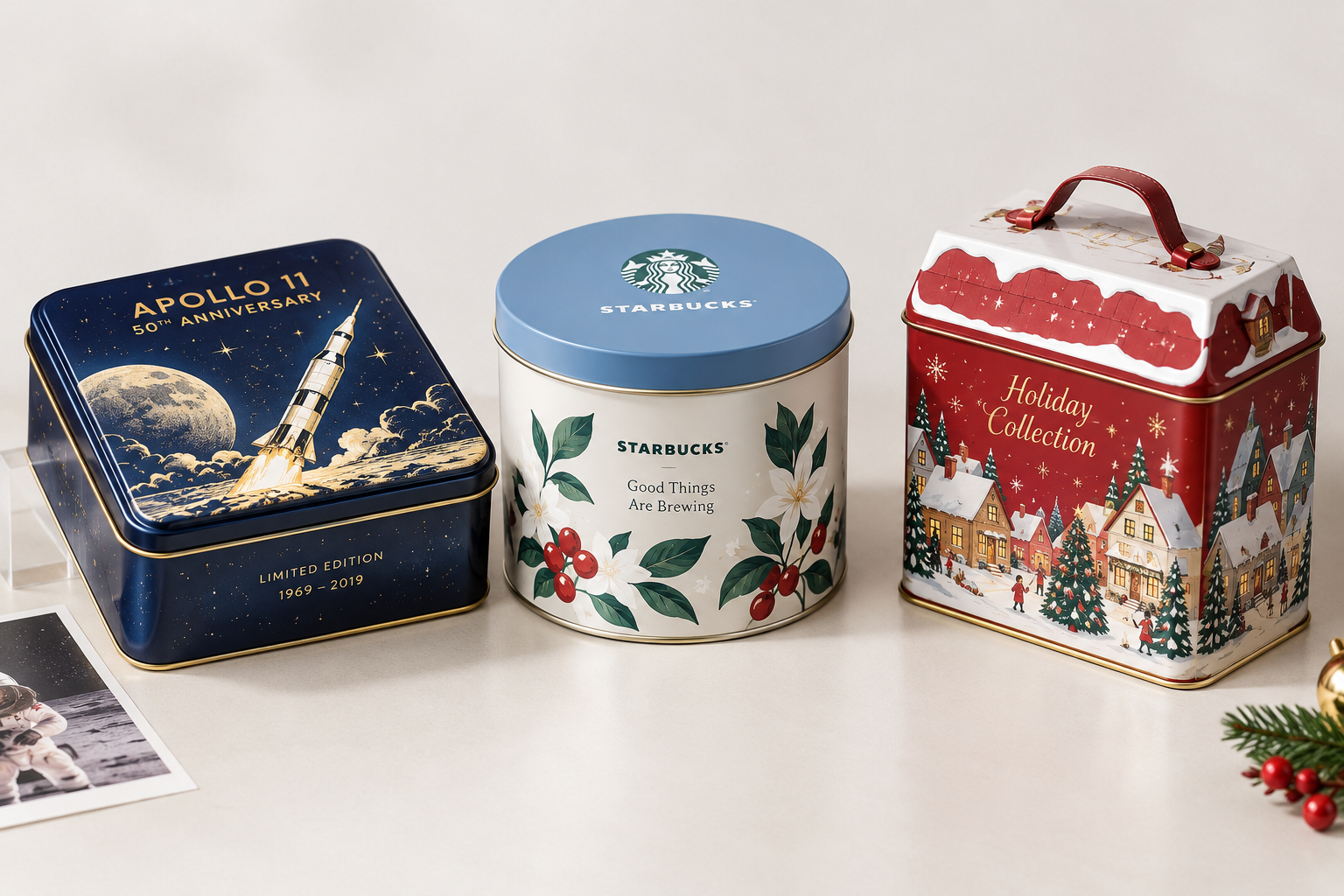
A collectible tin is a metal container designed so customers want to keep it after the product is gone. That usually comes down to three things: artwork that belongs to a recognizable series, an interior that presents the item well, and a structure sturdy and useful enough to reuse. This guide covers how to plan each of them, with a worked sizing example and the checks to complete before mass production.
Quick takeaway
- Confirm the real item’s dimensions first, then choose the tin size and insert.
- Decide whether the tin leads with display, storage, or gifting, and design for that purpose.
- Use embossing, metallic finishes, or numbering selectively, so the tin feels special without becoming hard to produce.
- Fix the shared elements of a series (logo position, layout, color system) before designing individual editions.
- Check any safety requirements that apply to the collectible item itself, not only the tin.
What Makes a Tin Collectible?
A tin becomes collectible when customers have a reason to keep it. Metal alone is not enough. Four features do most of the work:
| Feature | Why it matters | Practical example |
|---|---|---|
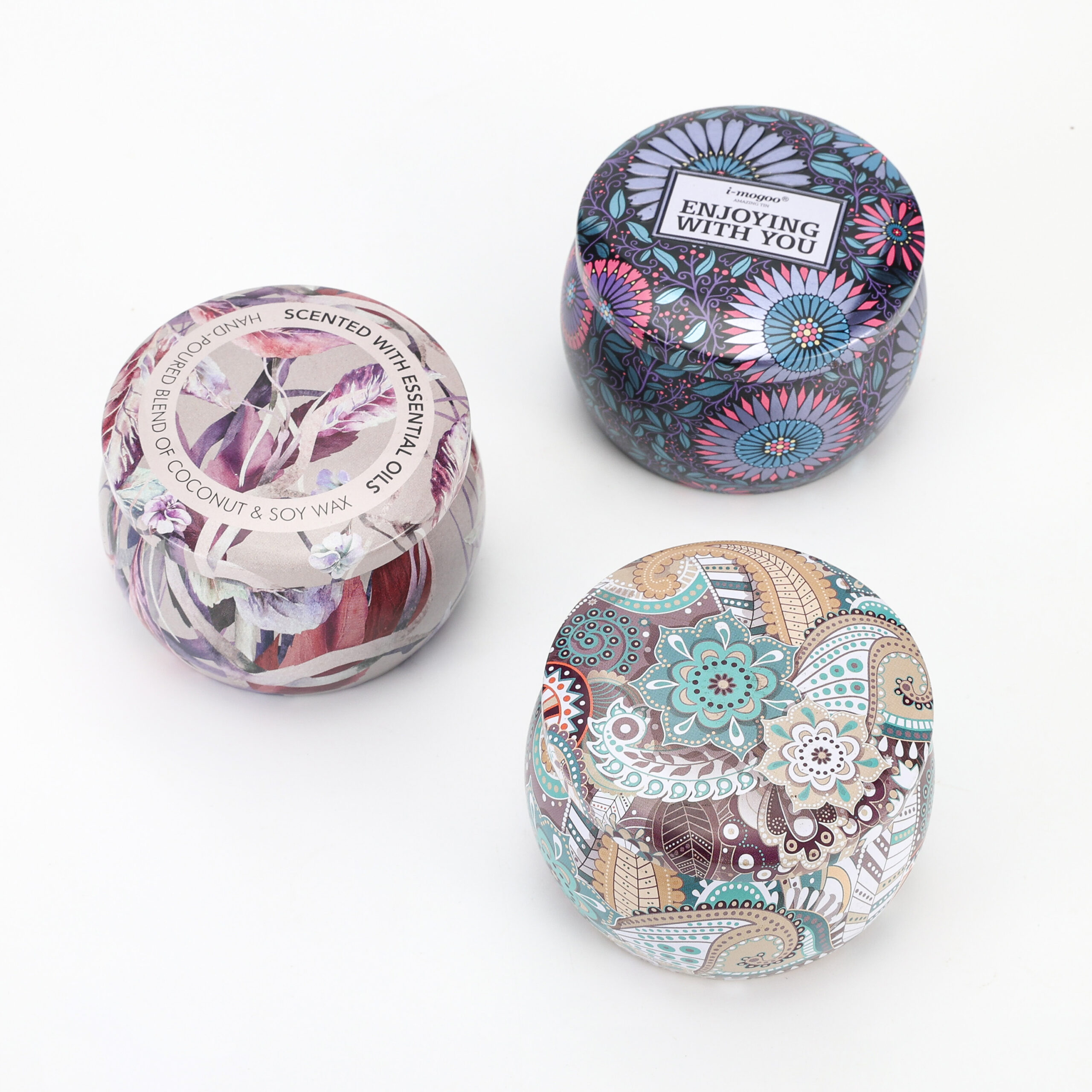
| Series identity | Customers recognize the tin as part of a set | Same logo position and layout, new artwork per edition |
| Tactile detail | Gives the tin a premium feel in the hand | Embossed logo or raised border on the lid |
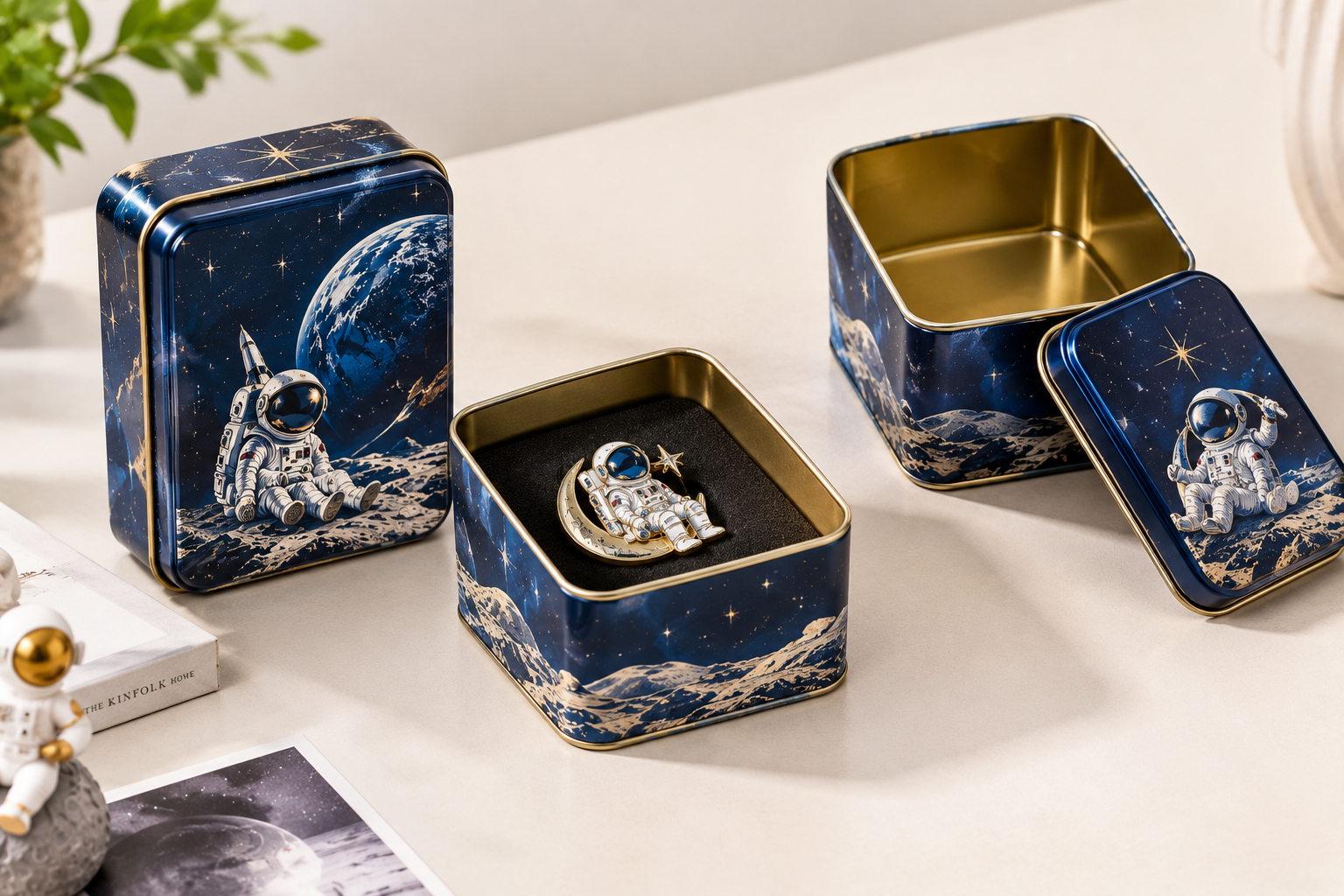
| Considered interior | Makes opening the tin part of the experience | Fitted insert with a pocket for the item |
| Reuse value | Keeps the tin in use after the product is gone | Practical size, easy opening, durable body |
A regular tin box is chosen mainly for storage or protection. A collectible tin is designed with its second life in mind: displayed on a shelf, kept in a collection, or reused for small accessories.
Which Products Suit Collectible Tins?
Collectible tins work best where the item has emotional or brand value and the packaging is part of the appeal:
- Limited-edition merchandise: pins, coins, badges, and small character or brand collectibles.
- Keepsakes and souvenirs: commemorative items, event gifts, and travel keepsakes.
- Themed gift sets: several small products connected by one visual concept. For gift-led projects, see our guide to custom metal gift tin boxes for brands.
If you only need a standard shape for a basic product, a stock design may be enough. Browse hot sale tin packaging to see whether an existing structure fits before commissioning a custom one.
How Should You Plan the Size and Insert?
Start with the item, not the artwork. Measure the actual length, width, height, and any fragile or protruding parts, then choose the tin size and the insert together, because the insert reduces usable space.
Worked Example: A 45 mm Collectible Coin
The figures below are a planning example, not a standard specification. Your own item, tolerances, and insert material will differ.
| Parameter | Planning value |
|---|---|
| Coin diameter and thickness | 45 mm x 3 mm |
| Insert pocket | 47 mm diameter, 3 mm deep (about 1 mm clearance per side) |
| Insert thickness | 8 mm (pocket included) |
| Tin internal size | 60 mm diameter x 15 mm height |
| Remaining headroom above the coin | About 7 mm |
With this layout, the coin sits level with the insert surface and is visible as soon as the lid is opened. The headroom prevents the lid from pressing on the item, and the clearance makes removal easy without letting the coin shift.
Before approving the dimensions, confirm three things on a physical sample: the coin lifts out easily, nothing rattles when the closed tin is shaken, and the lid closes without contacting the item. If your product is not round, see our rectangular tins with lids guide for structure and fit considerations.
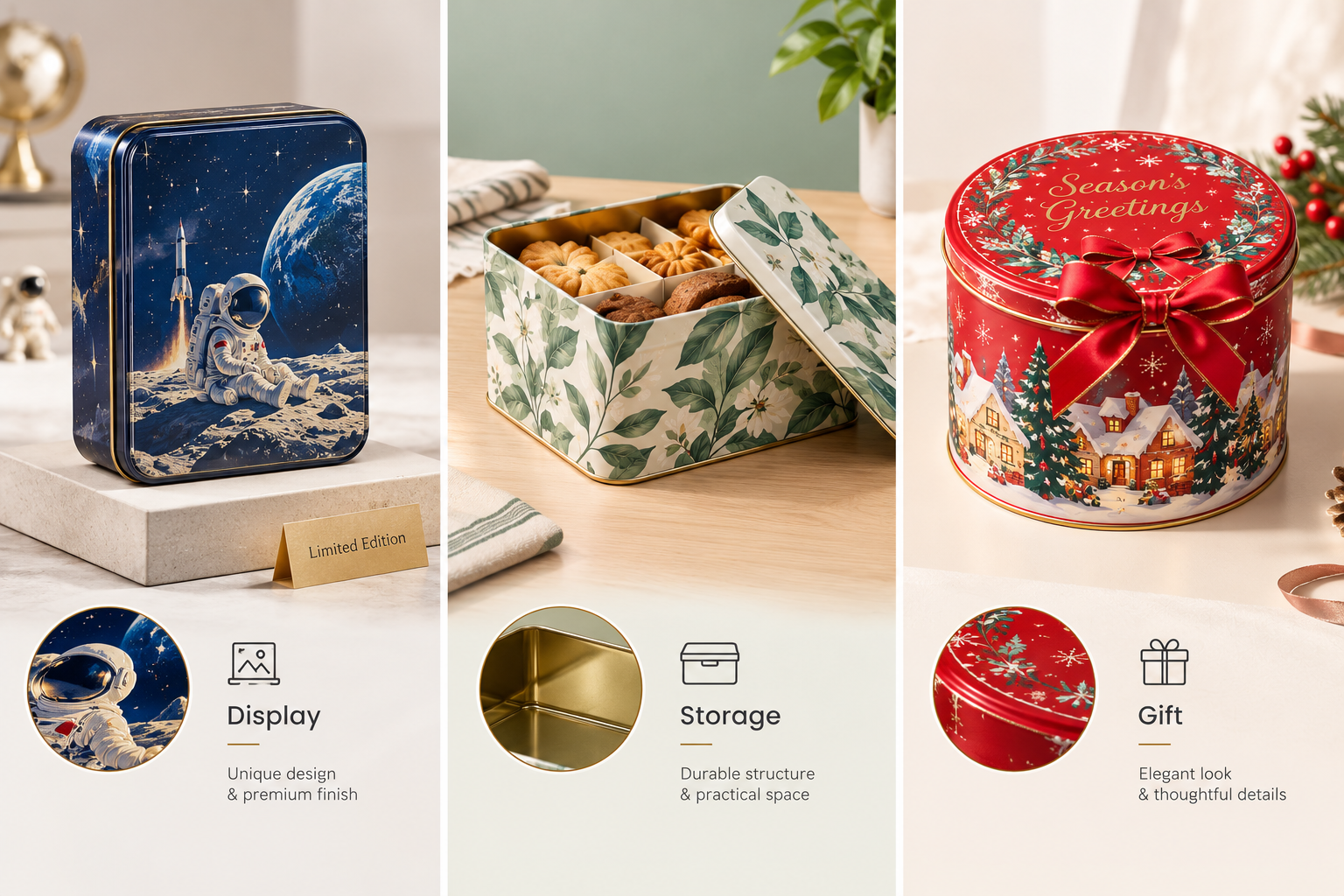
Display, Storage, or Gifting: Which Should Lead?
These purposes overlap, but one should drive the design.
| Intended use | Main priority | Design consideration |
|---|---|---|
| Display | Visual impact | Artwork, color consistency, interior presentation |
| Storage | Daily usability | Easy opening and closing, suitable capacity, durable body |
| Gifting | Opening experience | Exterior appearance, insert layout, premium feel |
Removable Lid or Hinged Lid?
A removable lid suits items that are taken out and put back often. A hinged lid keeps the lid attached to the body, which suits tins that customers will open repeatedly. Neither is automatically better. Choose based on how the product will be used, and test the lid with the actual item and insert in place.
How Do You Design Artwork and Finishes for a Collectible Tin?
Collectible appeal depends on how artwork and finishes work together on a three-dimensional surface.
Choose Finishes That Add Value Without Adding Risk
Embossing, metallic effects, and matte or gloss coatings can all add perceived value, but each affects production. Use one or two accent finishes on the most visible area, usually the lid, rather than applying every effect to every surface. Fine details and very small text should be checked on a physical proof, because they may look different on metal than on a screen.
For file preparation, color matching, and finish options, see our custom printed tin packaging guide. The candy tin artwork and printing guide also covers file requirements and proofing steps that apply to any printed tin.
Keep a Series Consistent Across Editions
If you plan multiple releases, lock the shared elements first: logo position, overall layout, border style, and base color system. Then vary the main artwork for each edition. If tins are numbered, decide early where the number appears and how it is produced, because numbering can affect the production method.
Agree on which differences between editions are intentional and which are not. This prevents the appearance drifting from one release to the next.
Design for Reuse
A collectible tin stays on the shelf when it remains useful. A practical size, smooth opening, and sturdy construction usually matter more than extra decoration. Check that the interior still looks good once the insert or product has been removed.
What Safety and Compliance Checks Apply?
A collectible tin is packaging, but the item inside may fall under product safety rules, especially if it is aimed at children.
- The collectible item: Items designed for children may fall under toy or children’s product rules, such as ASTM F963 and CPSIA in the United States or EN 71 in the EU. Confirm requirements with your product tester or compliance adviser based on the item and its target age group.
- The tin: Check that edges, corners, and hinges are finished smoothly, and that printed or coated surfaces suit the intended use. If the tin will hold food or confectionery, the food-contact requirements covered in our candy tin guide apply.
- Testing: Requirements depend on the market and the product, so confirm them before finalizing artwork and materials.
Regulatory information reviewed: October 15, 2026. This section is general guidance, not legal advice.
What Should You Confirm Before Ordering?
Prepare a short brief before requesting a quotation. It should include item dimensions, intended use, preferred structure and insert, artwork files, finish requirements, estimated quantity, and target delivery date.
Pre-Order Checklist
- Item dimensions and intended use confirmed
- Tin structure and insert requirements defined
- Artwork and finish requirements prepared
- Series elements (logo position, layout, numbering) agreed
- Sample reviewed with the actual item
- Safety requirements for the item checked
Sampling, MOQ, and Lead Time
Always review a sample with the real item before approving production. Check fit, lid action, artwork color, finish, and how the contents look when the tin is first opened. Keep the approved sample as the reference for production quality checks.
Custom tin MOQ and lead time vary with structure, printing, tooling, and quantity. For current figures and a full planning framework, read our custom tin box cost, MOQ and lead time guide or check the FAQ page.For seasonal releases, also see our Christmas tins guide for planning around holiday deadlines.
When you are ready, contact Liyipackaging with your item dimensions, design references, quantity, and target delivery date, and we will review structure, insert, and sampling options for your project.
FAQ About Collectible Tins
1. How thick should the insert be for a collectible tin?
It depends on the item and the tin height. In the worked example above, an 8 mm insert with a 3 mm deep pocket holds a 3 mm coin level with the surface. Confirm the final thickness on a physical sample, because the insert also reduces usable internal space.
2. Can each tin in a series carry a different number?
Often yes, but numbering affects how the tin is printed or marked. Decide the number position and method before artwork approval, and confirm feasibility with your supplier for your quantity.
3. Which finishes make a tin feel more collectible?
Embossing, metallic accents, and carefully chosen matte or gloss coatings are common choices. Use them selectively and check them on a printed proof, since small details may appear differently on metal.
4. Do collectible tins need safety testing?
The tin and the item inside may be assessed separately. Items aimed at children can fall under toy or children’s product rules, so confirm requirements for your target market with a qualified tester or compliance adviser.
5. What information should I send to request a quotation?
Send item dimensions, intended use, preferred structure and insert, artwork files or references, finish requirements, estimated quantity, and target delivery date. A complete brief makes it easier to assess feasibility and recommend a structure.
Final Thoughts
A good collectible tin combines a precisely fitted interior, a consistent series design, and enough practical value to be reused. Start by measuring the item, define the insert and structure, fix the series elements, and review a sample with the real product before production. A clear specification is the fastest route from concept to a tin customers want to keep.