Last Updated: September 2026
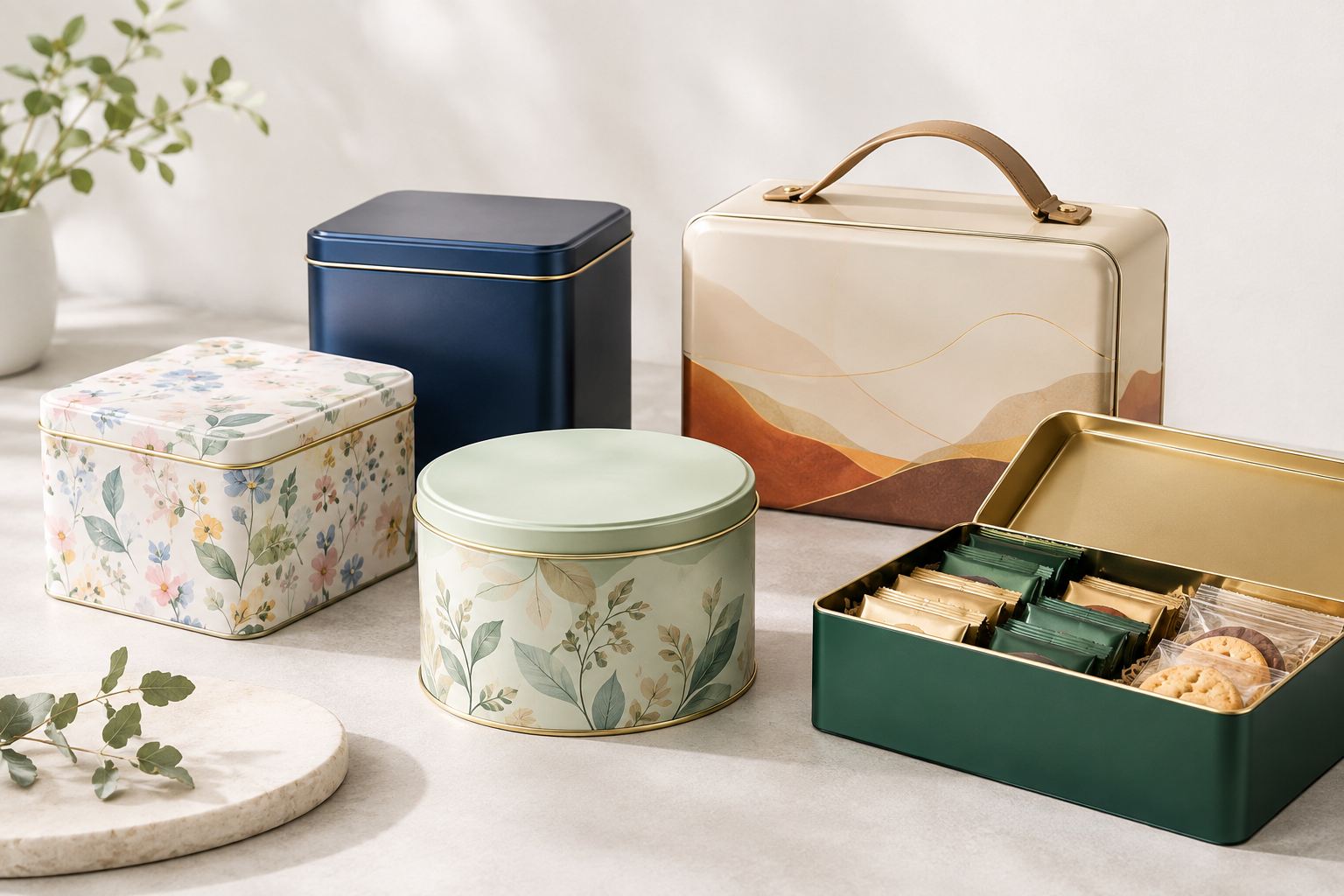
A gift tin box is more than a metal container. For many brands, it is part of the gift experience—the package customers see first, open during the unboxing, and may continue using after the original product is gone.
That makes custom gift tin development different from simply selecting a stock box. Size, lid structure, insert, printing, finish, and production timing all need to work together.
At Liyipackaging, we work with brands on custom tin packaging from structure development and sampling through artwork, production, and pre-shipment inspection. If you already have a product, target quantity, or packaging concept, contact us to discuss the project.
What Is a Gift Tin Box?
A gift tin box is a metal packaging container designed to present, protect, and package a gift product.
It can be used for:
- Gift sets
- Cookies and confectionery
- Tea and specialty foods
- Promotional gifts
- Seasonal products
- Cosmetics and personal-care products
- Small retail collections
- Corporate and holiday gifts
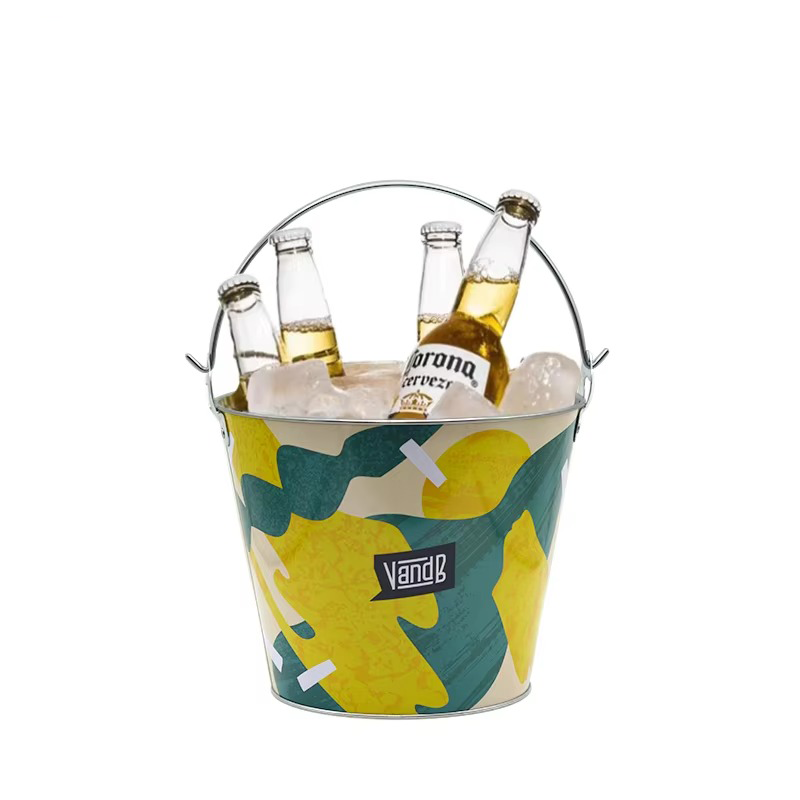
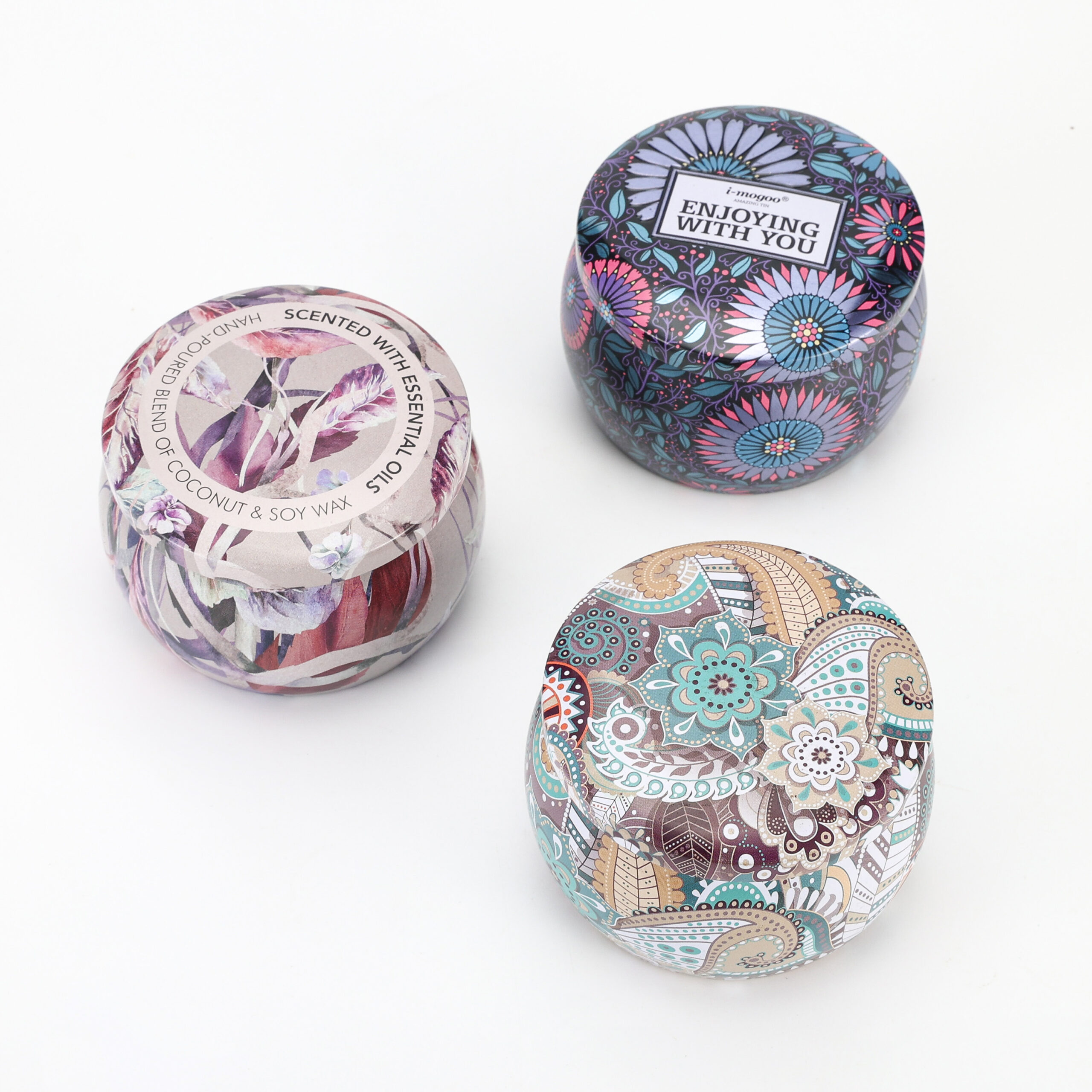
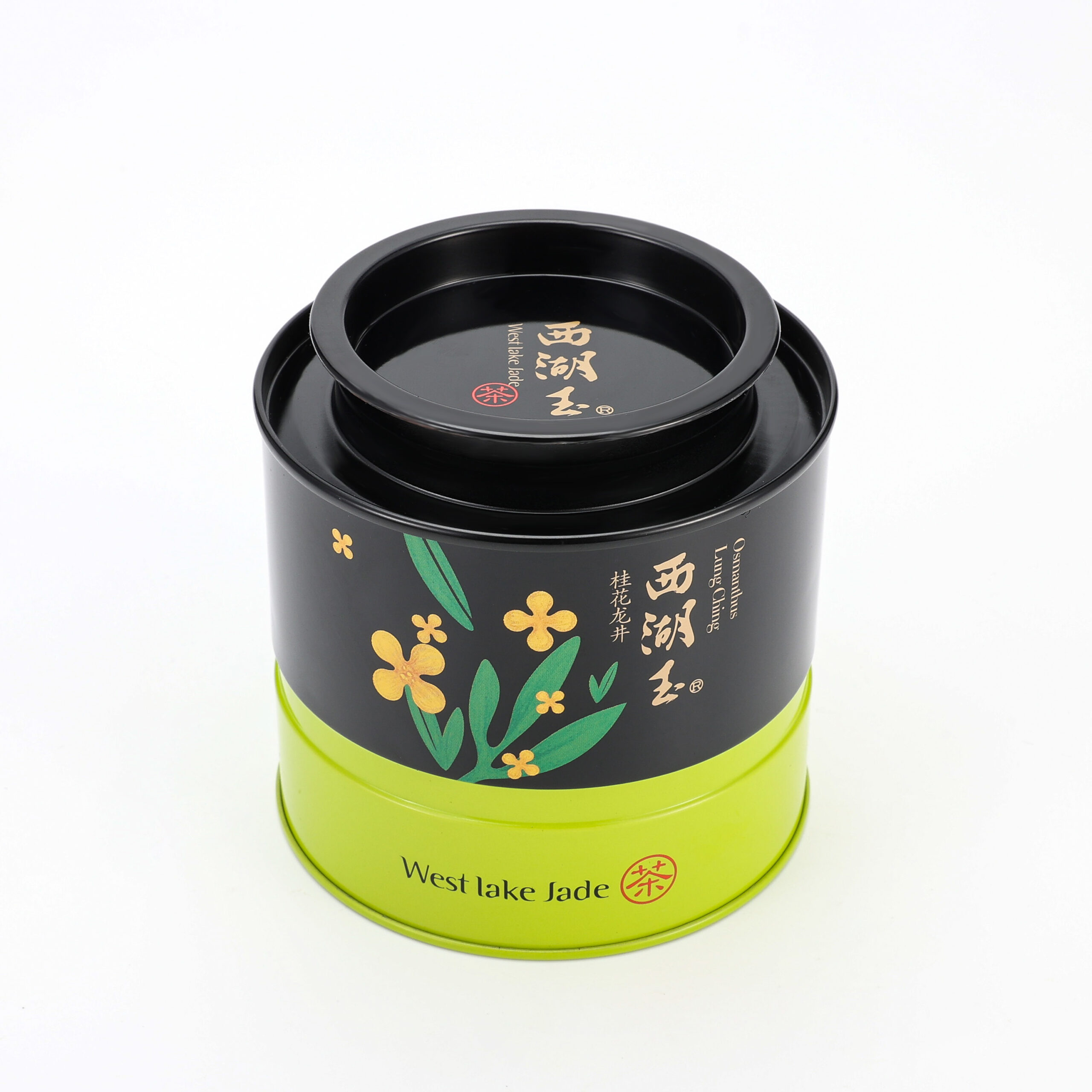
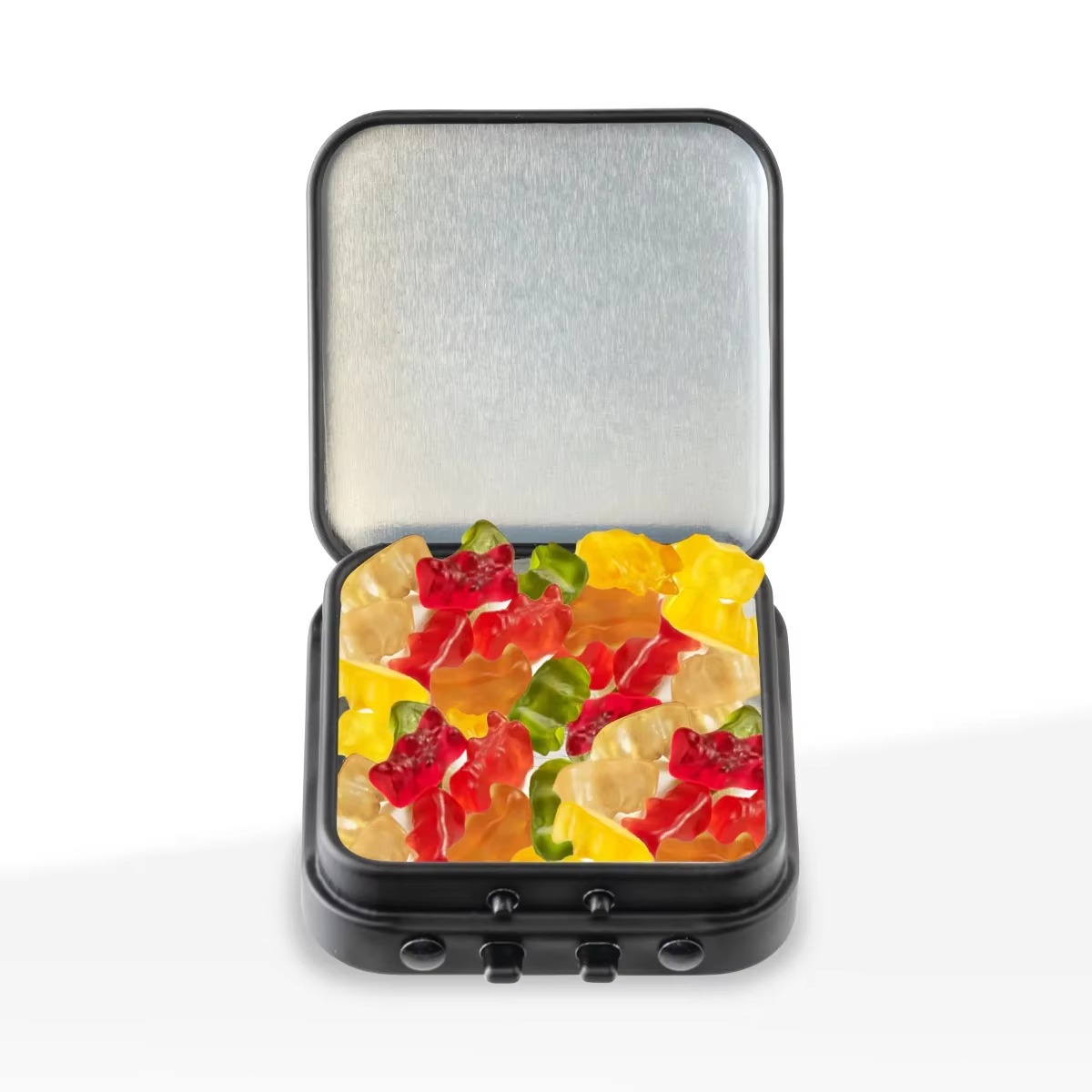
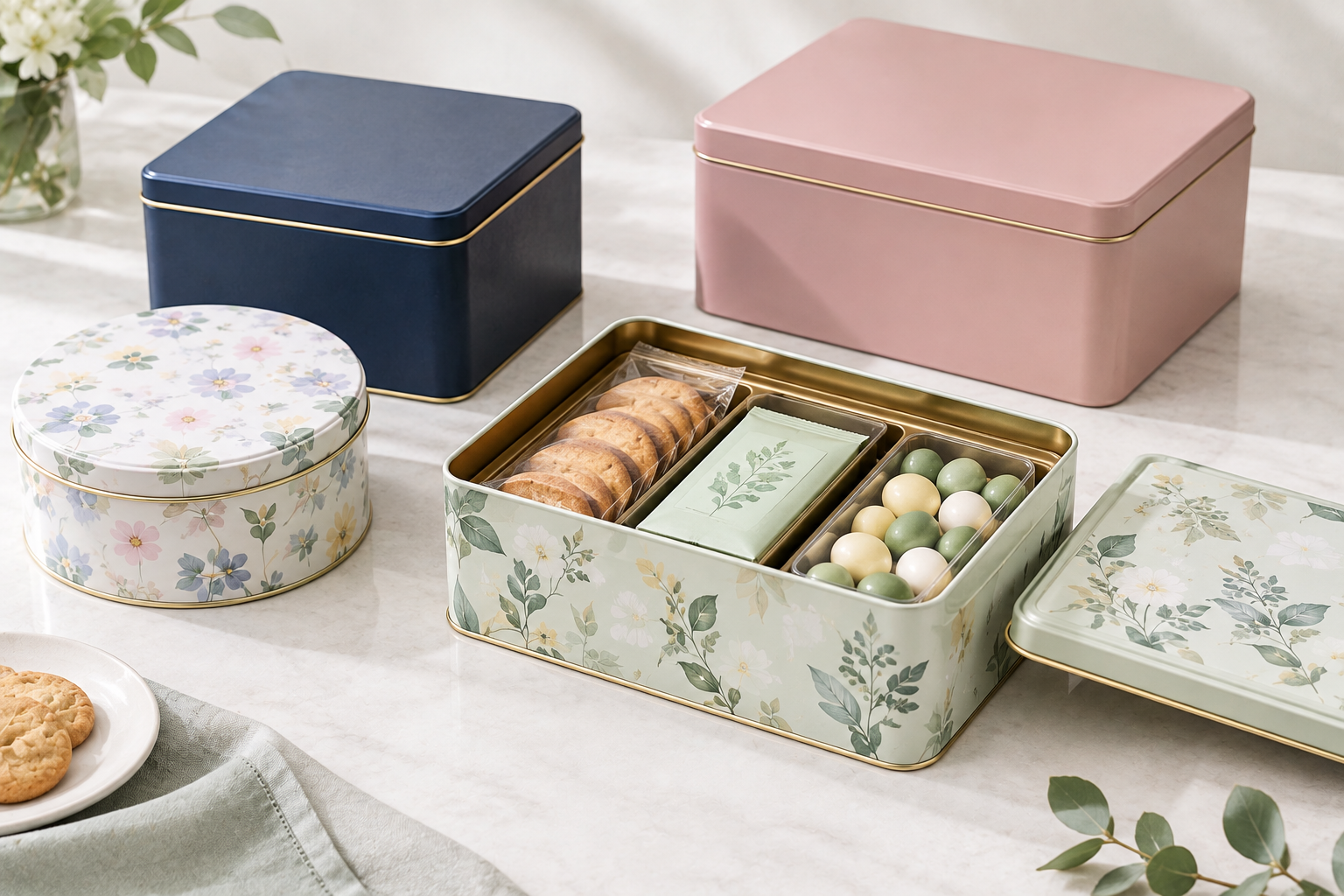
Gift tin boxes can be produced in different shapes and structures, including square, rectangular, round, cylindrical, heart-shaped, and other custom forms. Lid options can also vary from removable and hinged lids to structures incorporating windows, handles, or other accessories.
The right structure depends on what goes inside the tin and how the customer is expected to use it.
What Should You Decide First When Developing a Gift Tin Box?
The first decision should be how the packaging needs to work, not how the artwork should look.
Three questions usually shape the rest of the project.
How does the product need to sit inside?
A single product, several small products, and a multi-piece gift set can require very different internal arrangements.
An insert may be needed to keep products separated, prevent movement, or create a more organized presentation.
How should the customer open it?
The opening structure affects usability and presentation. A removable lid may suit a classic gift tin, while a hinged structure may make repeated opening more convenient.
What needs to happen after the first opening?
If the tin is intended to be reused, the lid, internal layout, and overall durability become more important than they would be for a seasonal package designed mainly for presentation.
These decisions establish the direction for the physical packaging. Artwork can then be developed around the approved structure rather than forcing the structure to fit the artwork later.
How Should You Approach Gift Tin Box Size?
Size is primarily a product-fit problem.
The external dimensions are only part of the decision. The manufacturer also needs to consider the internal space, product arrangement, insert, clearance, and lid structure.
For example, a gift set with several small products may require an insert that divides the internal space, while a single larger product may need more attention to clearance around the product and lid.
A physical sample is particularly useful when the fit is difficult to judge from drawings alone.
For projects where dimensions are not yet fixed, start by checking the product footprint, required internal clearance, and how the product will be placed inside the tin. The final dimensions can then be confirmed during structural development and sampling.
Which Lid Structure Fits a Gift Tin Box?
The lid influences both function and presentation.
Common options include:
- Removable lids
- Hinged lids
- Window lids
- Sliding structures
- Double-lid structures
- Other custom opening designs
The decision depends on the product, intended use, target cost, and desired customer experience.
One practical consideration is whether the customer needs to open the package repeatedly. A gift tin intended to become a reusable storage container may require a different lid solution from a seasonal package designed mainly for presentation.
What Can You Customize on a Gift Tin Box?
Custom gift tin boxes can be modified at both the structural and visual levels.
Depending on the project, customization may include:
- Size
- Shape
- Lid structure
- Printing
- Surface finish
- Embossing
- Engraving
- Inner lining
- Inserts
- Trays
- Handles
- Locks
- Labels and secondary packaging
For printed tins, Liyipackaging supports CMYK and Pantone printing, with finishing options including glossy, matte, varnish, embossing, and engraving.
If printing and artwork are the main focus of your project, see our guide to custom printed tin packaging.
A Common Artwork Problem
One issue worth checking before production is whether important artwork elements sit too close to structural features.
A logo may look correctly positioned on a flat artwork file, but the final tin can include seams, edges, corners, lid overlaps, or other areas that affect how the design appears.
This is why artwork should be checked against the actual tin template rather than treated as a standalone graphic.
What Should You Prepare for a Gift Tin Box Quotation?
This is the main information checklist to send to a manufacturer.
| Requirement | What to provide |
|---|---|
| Product | Product type, dimensions, photos or sample |
| Quantity | Estimated order quantity |
| Tin size | Existing dimensions or required internal space |
| Shape | Square, rectangular, round, custom, etc. |
| Lid | Removable, hinged, window, or preferred structure |
| Artwork | Finished artwork, logo, or design concept |
| Insert | Required or not required |
| Secondary packaging | Bag, label, carton, sleeve, etc. |
| Timing | Target sample or delivery date |
| Destination | Main sales or delivery market |
You do not need to know every specification before contacting a supplier.
If the exact tin size is still unclear, product dimensions and photos can be enough to start the discussion. The manufacturer can then assess the structure and sampling requirements.
A practical quotation request could look like this:
Product: Small retail gift set
Quantity: Approximately 5,000 pcs
Shape: Custom rectangular tin
Lid: Removable
Artwork: Available
Insert: Required
Target: Seasonal retail launch
This is an example quotation format rather than a customer case.
What Is the MOQ and Lead Time for Custom Gift Tin Boxes?
For current planning purposes, Liyipackaging’s public information gives the following reference points:
- Stock products: approximately 100–200 pcs
- Customized products with logo or full CMYK printing: generally 3,000–10,000 pcs, depending on the design
- Custom printed tin boxes: approximately 25–30 days
- New mold development and sampling: approximately 20–25 days
These are planning references rather than fixed commitments. The actual quotation and production schedule depend on the specific structure, quantity, artwork, mold requirements, and production schedule.
For a seasonal product, the safer approach is to work backward from the required delivery date and leave time for sampling and approval before mass production.
What Can a Physical Sample Reveal?
A sample is where several packaging decisions finally meet the actual product.
This is also where some of the most useful development experience comes from.
A Common Insert Problem
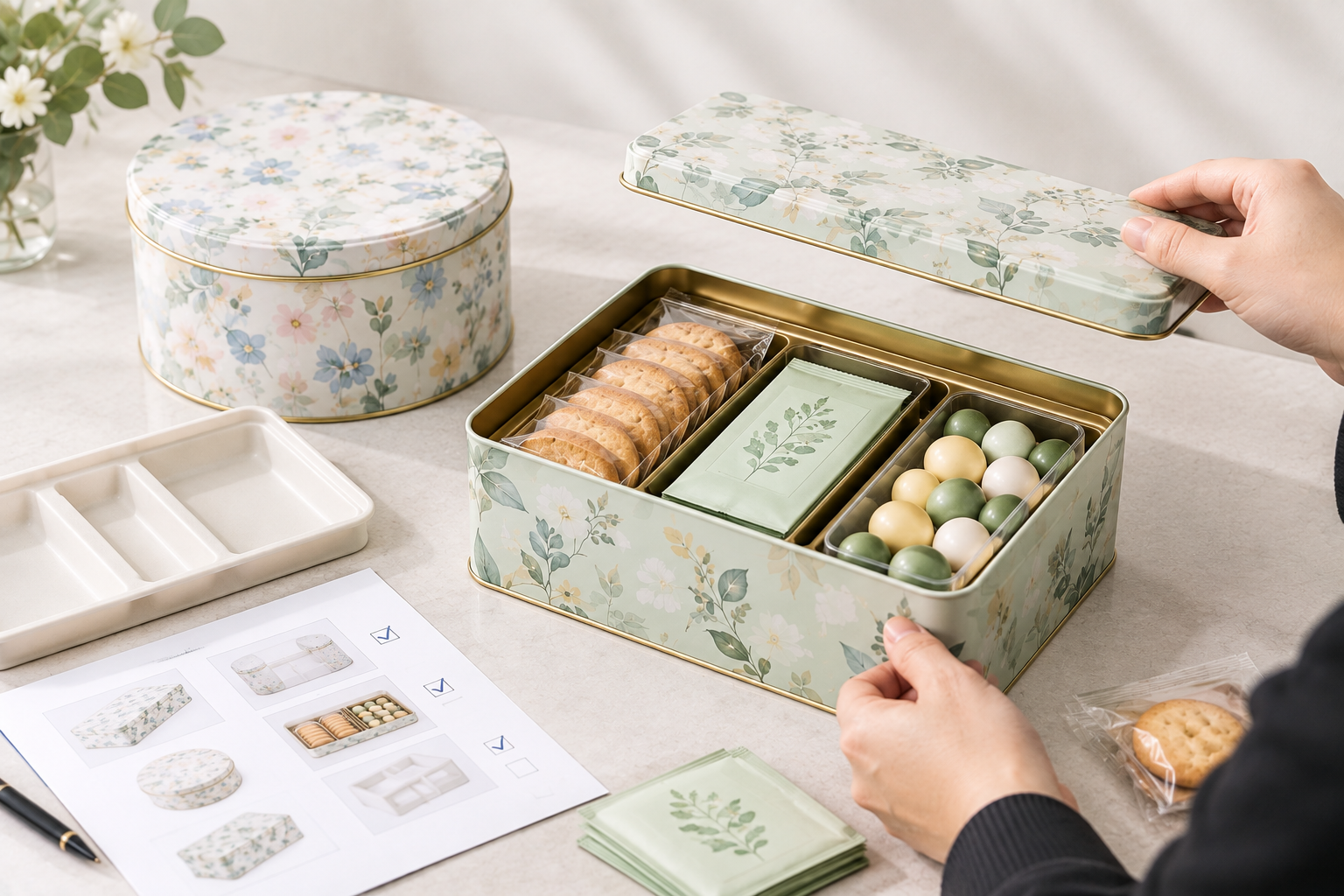
An insert can look correct in a drawing but still allow a small product to move too much once the actual product is placed inside.
The solution may involve changing the compartment dimensions, insert height, or positioning rather than changing the outer tin.
That is why checking the real product against the sample is more useful than approving the structure from a drawing alone.
A Common Lid Problem
A lid can appear correct when viewed separately but behave differently once the body, insert, and actual product are assembled.
Checking the opening and closing action during sampling can reveal clearance issues before they become production problems.
A Common Mold Problem
A custom shape also needs to be evaluated from a manufacturing perspective.
A shape that looks simple in artwork may require additional structural discussion when it includes unusual corners, deep forming, complicated curves, or special opening features.
Resolving these questions during development is considerably easier than discovering them after production has started.
What Should You Check Before Mass Production?
The final review should have two different parts: first check the physical sample, then confirm that the production information is complete and approved.
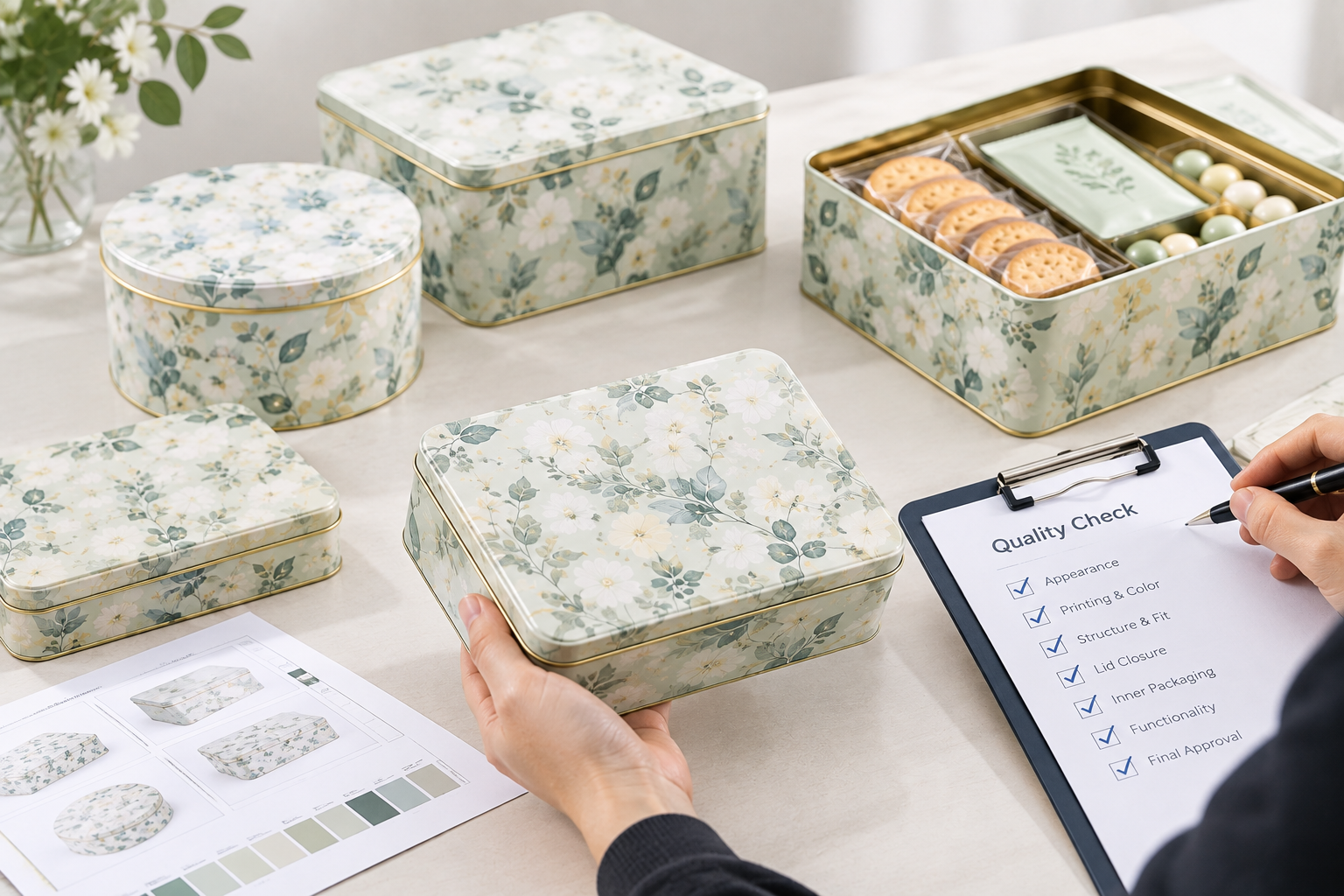
Physical Sample Check
This is the hands-on part of the review.
Product fit
Place the actual product inside the sample. Check whether it sits correctly and whether there is excessive movement.
Insert
Check that the insert holds the product securely and does not interfere with the lid or other components.
Lid operation
Open and close the tin several times. Check the movement, clearance, alignment, and overall opening experience.
Artwork
Compare the physical sample with the approved artwork. Pay particular attention to seams, edges, corners, lid areas, and other structural features.
Surface finish
Look at the actual finish rather than relying only on digital artwork. Matte, glossy, embossing, engraving, and other treatments can appear differently on physical metal.
Production Approval Check
Once the physical sample works, the next step is making sure the information going into production is also correct.
Before mass production, confirm:
- The final artwork version is clearly identified.
- The artwork matches the approved tin template.
- The selected finish is documented.
- Insert material and structure are confirmed.
- Final dimensions and structural specifications are approved.
- Required accessories are listed.
- Destination market requirements have been reviewed where applicable.
- Food-contact requirements have been confirmed for food-related products.
- Sample approval has been recorded.
- Any agreed production specifications are documented before mass production.
This distinction matters.
The sample check asks: “Does the packaging work?”
The production approval check asks: “Are we manufacturing the approved version?”
Keeping these two checks separate helps prevent a common packaging problem: a sample being approved correctly, but an outdated artwork file, unfinished specification, or different accessory configuration being used later.
What Should Gift Tin Buyers Consider in 2026?
For brands selling into the European market, packaging regulation is one issue that deserves earlier attention in 2026.
The EU Packaging and Packaging Waste Regulation (PPWR) began applying on August 12, 2026. The regulation establishes requirements covering areas such as packaging composition, waste prevention, reuse, and recyclability.
For gift tin projects, this does not mean that every tin automatically meets every requirement. Instead, it is a reason to consider the complete packaging system earlier.
Depending on the product and market, buyers may need to review:
- The materials used in the complete package
- Whether additional plastic components are necessary
- Opportunities to reduce unnecessary packaging
- Reuse considerations
- Destination-market requirements
- Food-contact requirements where applicable
For EU-bound products, the applicable requirements should be confirmed for the specific packaging configuration and market before production.
Why Does the Manufacturer Matter for a Custom Gift Tin Box?
A custom gift tin involves more than printing a design onto metal.
The supplier may need to coordinate:
Structure → Mold → Sample → Artwork → Production → Inspection
Liyipackaging has more than 25 years of industry experience, operates a 3,000㎡ facility, and reports monthly production capacity of up to 2 million units. The company also describes its process as covering design and development through production and pre-shipment inspection, with exports to more than 30 countries.
You can see more about the company’s manufacturing background and capabilities on the Liyipackaging About Us page.
For buyers, the useful question is not simply whether a supplier can produce the required quantity. It is whether potential structural, artwork, and fit issues can be identified before mass production.
How Do You Start a Gift Tin Box Project?
Once the quotation information above is ready, the next step is straightforward.
Send the product information, estimated quantity, packaging requirements, artwork if available, and target timing.
The manufacturer can then determine whether the project is better suited to:
- An existing stock structure
- A modified existing structure
- A completely new custom mold
From there, the project moves into structural development, sampling, artwork approval, and production.
If you are still unsure about the exact size or lid structure, that is not necessarily a problem. Those decisions can be discussed during the quotation and development stage.
FAQ
Are gift tin boxes suitable for food packaging?
Tinplate packaging can be produced with food-grade materials for suitable food-packaging applications. Food-grade lacquer can also be used inside the tin to help prevent direct contact between the metal and food.
However, food-contact requirements depend on the specific product, materials, coatings, intended use, and destination market. The applicable requirements should be confirmed before production.
Can I use a stock tin for a gift set?
Yes. A stock tin may be suitable when an existing structure meets the required product fit, appearance, quantity, and timing.
When should I choose a custom mold?
A custom mold becomes relevant when an existing structure cannot provide the required size, shape, opening, or visual design.
Can gift tins include inserts?
Yes. Depending on the project, options can include EVA, foam, sponge, flocking trays, PET sheets, cardboard, and other internal packaging components.
Can the tin include a handle?
Yes. Handles and other accessories can be incorporated depending on the selected structure and application.
What artwork formats can I send?
Common formats include AI, PDF, EPS, CDR, and PSD. The exact template should be confirmed against the selected tin structure before final artwork is prepared.
Can I get a sample before production?
Yes. Sample arrangements depend on whether the project uses a stock structure or requires custom development. The sample should be reviewed for product fit, structure, artwork, and finish before mass production.
Start Your Gift Tin Box Project
A successful custom gift tin does not start with a finished design file.
It starts with a clear understanding of the product, the required packaging function, and the intended market.
Once those fundamentals are defined, the manufacturer can help develop the structure, confirm the sample, finalize the artwork, and move the project into production.
For printing requirements, see our guide to custom printed tin packaging.
For a custom gift tin box quotation, contact us.