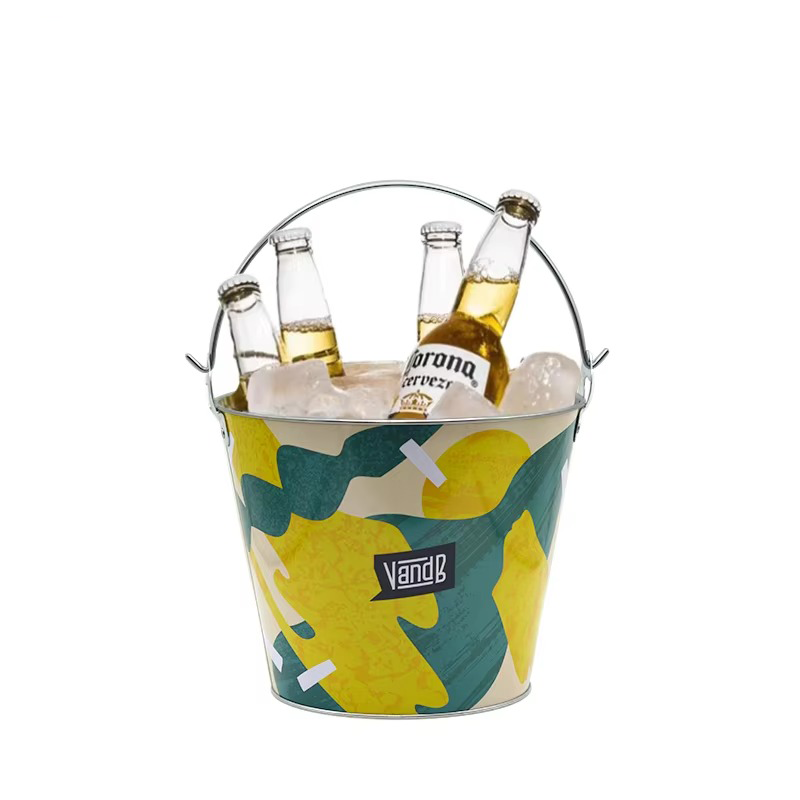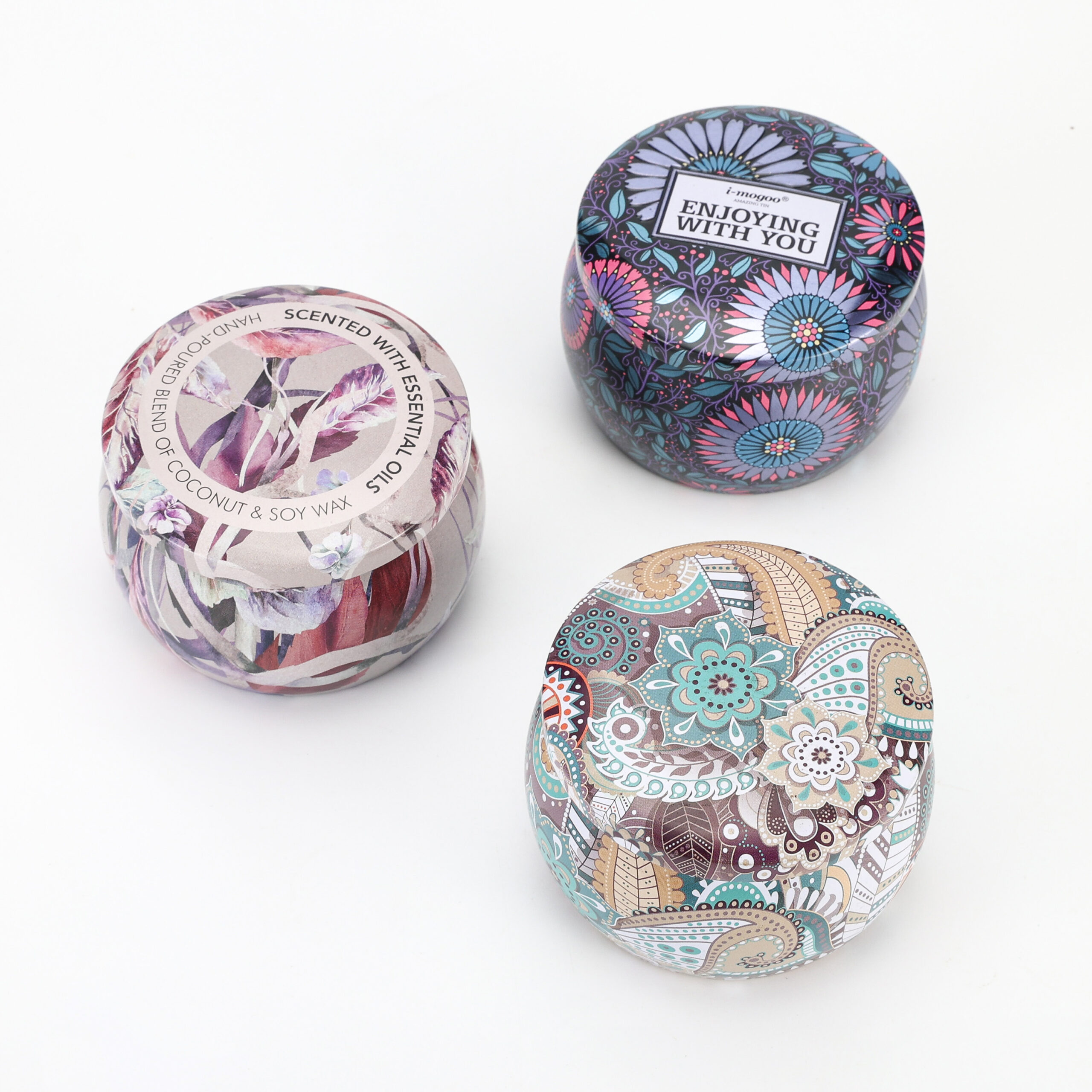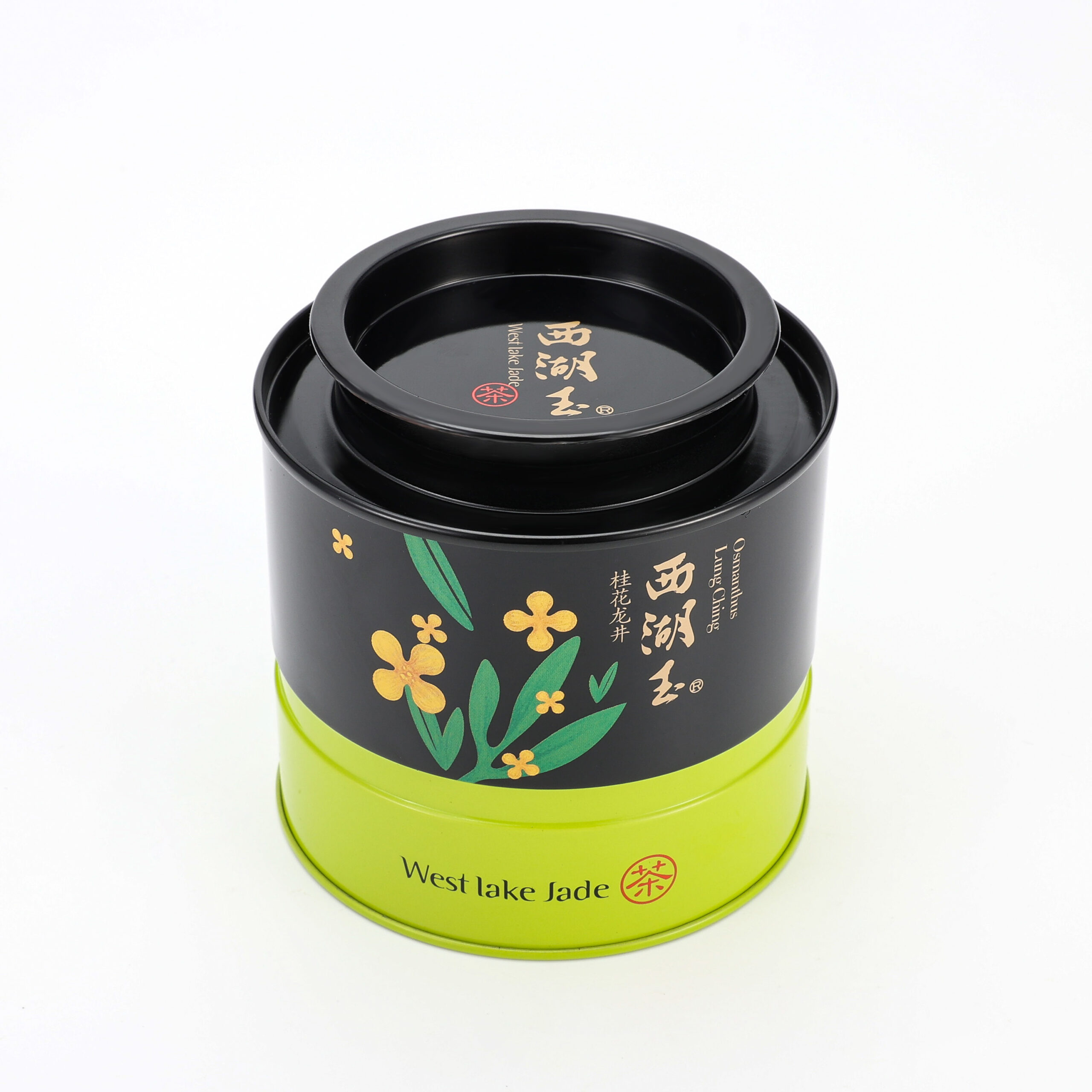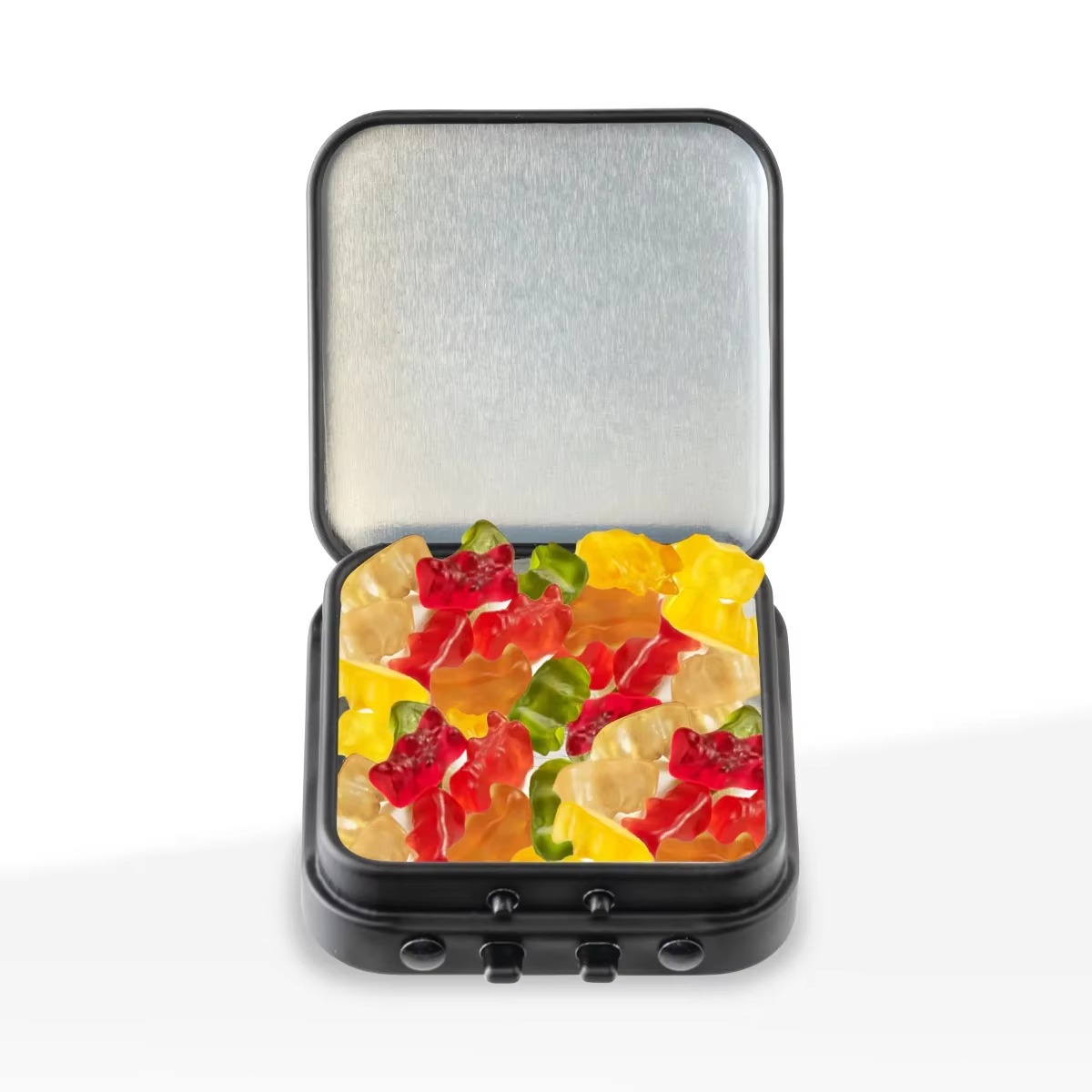
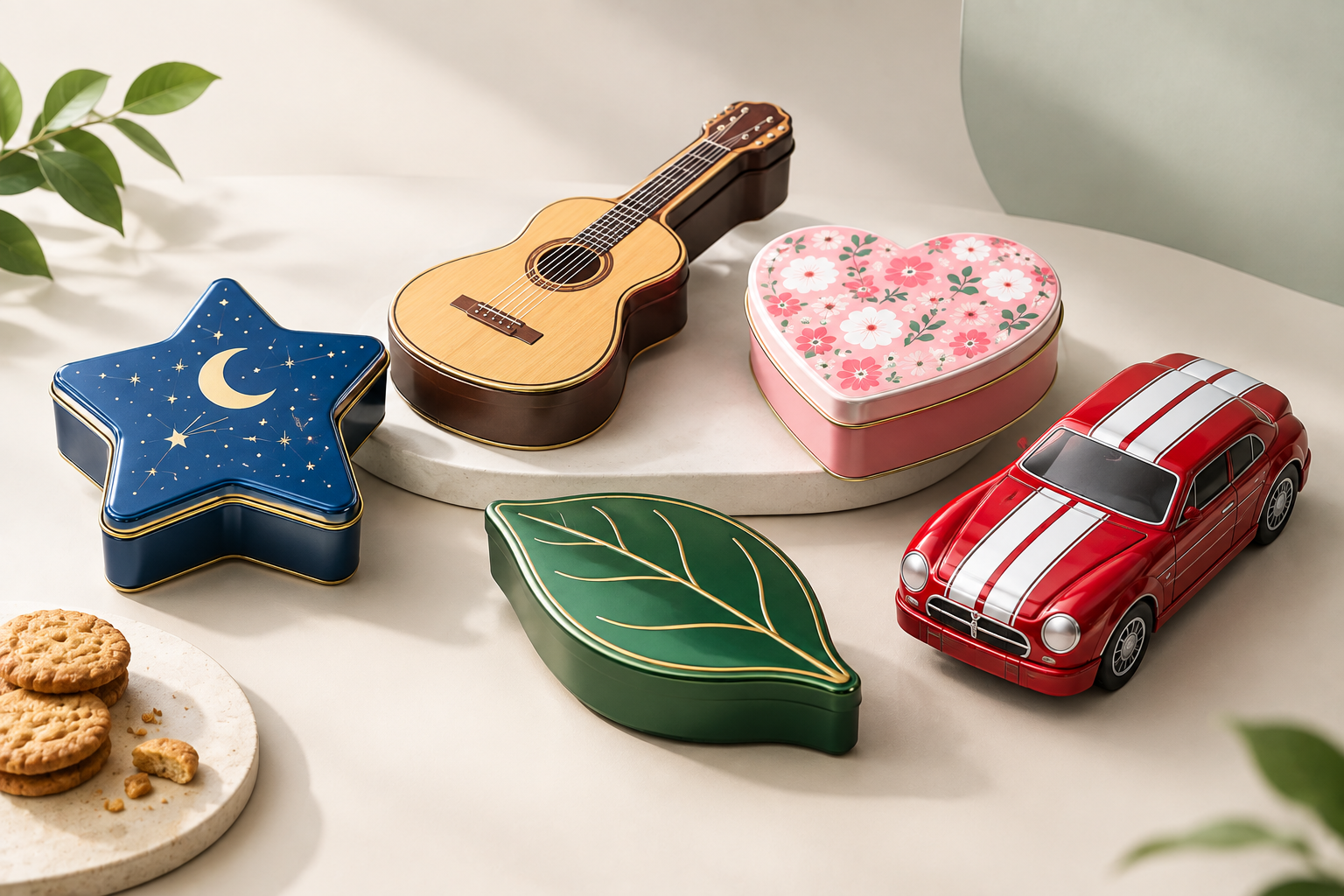
We’ve worked with custom tin packaging projects where the difficult part is rarely creating an unusual shape. The real challenge is making sure the shape works with the product dimensions, lid structure, internal space, tooling, and production process.
For buyers developing a custom tin for the first time, the easiest way to avoid unnecessary revisions is to confirm these details before tooling and artwork are finalized.
For 2026 projects, it is especially important to confirm the product dimensions, structure, quantity, and artwork before moving into tooling.
In this guide, we’ll walk through the main decisions step by step—from product dimensions and lid structure to tooling, cost, MOQ, and quotation requirements.
If you already have a product drawing, sketch, or reference image, you can also send it for a preliminary review before requesting a quotation.
If you are still comparing different irregular tin structures and applications, see our Irregular Tin Box guide first.
What Should You Decide Before Designing Special Shape Tin Packaging?
Start with the product, not the outside shape.
Before creating the final outline, confirm what the tin needs to contain and how customers will use it.
1. Confirm the Product Dimensions
Start with the actual dimensions of the product:
- Length
- Width
- Height
- Quantity per tin
- Required internal space
If the product requires an insert, tray, or other internal accessory, include it in the initial design.
For example, Liyipackaging can provide internal options such as EVA, foam, sponge, PET, cardboard, paper, velvet, and trays.
This is important because the usable internal space may be different from the external dimensions of the tin.
2. Define the Purpose of the Tin
Consider how the packaging will be used.
A tin designed for:
- cookies
- candy
- gifts
- cosmetics
- promotional products
- small accessories
may require completely different dimensions and opening structures.
The purpose should influence the structure before the artwork is finalized.
3. Develop the Shape Around the Product
Once the internal requirements are clear, you can develop the external shape. For simpler geometries, a Round Tin Box can be a practical alternative when a fully irregular outline is not necessary.
A special shape does not necessarily need to be extremely complicated.
A good design should balance:
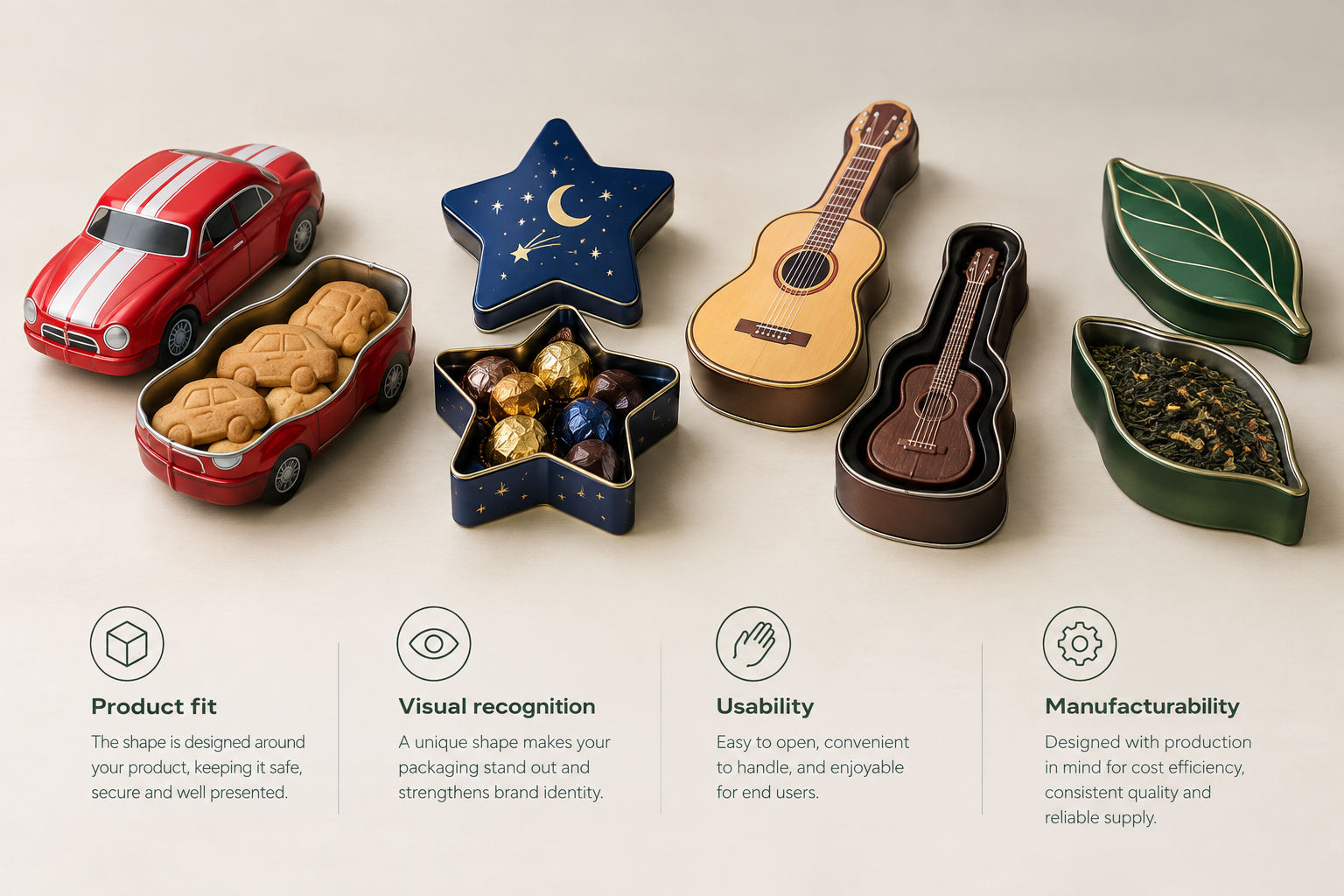
Which Lid Structure Should You Choose?
The lid should be considered together with the body shape because it affects both usability and production.
Friction-Fit Lid
A removable friction-fit lid is suitable when the customer needs a simple opening and closing experience.
It can work well for products where the tin does not need to remain permanently connected to the lid.
Hinged Lid
A hinged lid keeps the lid attached to the tin body.
This structure can be useful for reusable packaging where customers may open and close the tin repeatedly.
Sliding, Clip, and Other Structures
Depending on the application, other structures may also be considered.
Liyipackaging currently lists structures including:
- Hinged lid
- Sliding lid
- Double lid
- Clip lid
- Window lid
For a special shape project, the important point is to select the opening structure before the tooling is finalized, rather than treating the lid as a separate decision.
| Lid Structure | Opening Method | Typical Consideration |
|---|---|---|
| Friction-fit | Remove lid | Simple opening and closing |
| Hinged | Lift attached lid | Repeated use |
| Sliding | Slide open | Compact or distinctive structure |
| Clip | Release and open | Secure closure |
| Window lid | Open with viewing area | Product visibility |
How Can You Check Whether a Shape Is Practical to Manufacture?
A visually attractive shape still needs to work as a metal structure.
Check Narrow Sections
Very narrow areas or complicated corners can affect forming and usable internal space.
This does not mean an unusual shape cannot be manufactured. It means the design should be reviewed before tooling.
Check Internal Capacity
The external outline is only one part of the design.
A complicated silhouette can reduce the usable space inside the tin.
If your product has a fixed size, check the internal dimensions first and then work outward.
Review the Drawing Before Tooling
A manufacturer should review the proposed dimensions and structure before a new mold is developed.
This is especially important because changing a drawing is much easier before tooling starts.
Liyipackaging currently states that a new mold normally takes 20–25 days to complete with sampling according to the design.
So the more complete the design information is at the beginning, the easier it is to reduce avoidable revisions later.
What Affects the Cost of Special Shape Tin Packaging?
The final quotation depends on the complete specification, not simply on the shape.
The main factors usually include:
- Tin dimensions
- Shape complexity
- Tooling
- Material thickness
- Lid structure
- Printing
- Surface finishing
- Internal accessories
- Order quantity
Liyipackaging currently lists finishing options including glossy, matte, varnish, embossing, and engraving, while exterior printing can use CMYK and Pantone colors.
That means two tins with a similar size can still have different quotations if their structures, tooling, printing, or finishing requirements are different.
A Better Way to Request a Quote
Instead of sending only:
“I need a custom tin. How much?”
Send:
Shape + dimensions + quantity + lid structure + artwork + finishing requirements
This gives the manufacturer enough information to evaluate the project more accurately.
What Is the MOQ for Special Shape Tin Packaging?
MOQ depends on the product design and production requirements, so it is better to treat 3,000 pcs as a starting reference rather than a universal number.
For the custom projects covered by this content cluster, MOQ can start from around 3,000 pcs, depending on the design, structure, printing, tooling, and production requirements.
This also explains why MOQ figures can differ between product categories.
For example, a standard square cookie tin and a highly customized special-shape tin may not have exactly the same production conditions.
So when requesting a quotation, provide the exact product design and quantity instead of relying only on a general MOQ figure.
What Should You Prepare Before Requesting a Quote?
A complete specification helps the manufacturer review the project before tooling.
Product Information
Prepare:
- Product dimensions
- Product quantity per tin
- Required internal capacity
- Product type
Shape and Structure
Provide one of the following:
- CAD drawing
- Product sketch
- Reference image
- Existing packaging sample
You do not necessarily need a finished technical drawing to start a conversation. A clear reference image can also help the manufacturer understand the initial direction.
Artwork and Finishing
If artwork is ready, provide the logo, graphics, colors, and finishing requirements.
Liyipackaging currently lists artwork formats including AI, PDF, EPS, CDR, and PSD.
Quantity and Timing
Include:
- Estimated order quantity
- Target delivery date
- Sampling requirements
Liyipackaging currently states that customized samples generally take 5–15 days, while custom printed tin boxes typically take about 25–30 days for mass production, depending on quantity and production schedule.
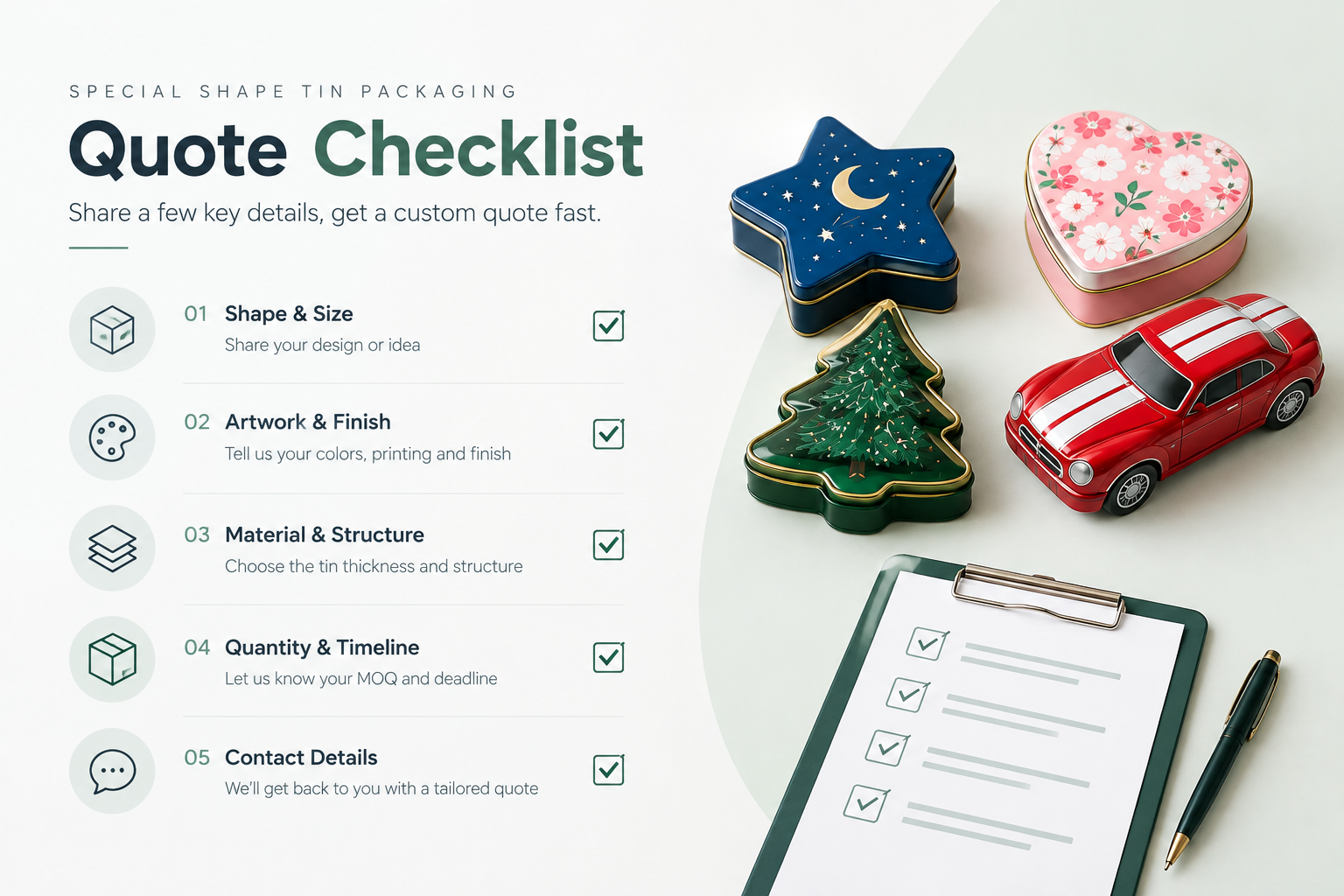
Special Shape Tin Packaging Quote Checklist
Before sending an inquiry, check that you have:
☐ Product dimensions
☐ Desired shape
☐ Lid structure
☐ Estimated quantity
☐ Artwork or reference image
☐ Printing requirements
☐ Surface finish
☐ Internal insert requirements
☐ Target delivery date
How Can Liyipackaging Support Your Project?
The process becomes easier when design, tooling, sampling, and production requirements are reviewed together.
Liyipackaging describes itself as a tin packaging manufacturer with more than 25 years of industry experience and a 3,000㎡ factory area. Its current website also describes support from design and development through production and quality control.
For a special shape project, the workflow can start with something as simple as a product drawing or reference image.
The key information is:
Product → Dimensions → Shape → Structure → Artwork → Quantity → Tooling → Production
Once these details are confirmed, the manufacturer can move toward sampling and mass production.
Ready to Develop Your Custom Tin?
Send your product dimensions, desired shape, estimated quantity, and artwork or reference image to start the discussion.
FAQ
Can I develop a special shape from an existing packaging sample?
Yes. An existing tin, product package, sketch, or reference image can be used as a starting point. The manufacturer can then review the dimensions and structure before tooling.
Do I need a finished CAD drawing to request a quote?
Not necessarily. A product specification, sketch, reference image, or existing sample can provide a starting point. A technical drawing becomes more important as the design moves toward tooling.
Can the shape and lid be customized separately?
They can be considered separately during the design discussion, but the body and lid should ultimately be checked together to ensure the opening structure works with the final shape.
How long does new tooling normally take?
Liyipackaging currently states that a new mold normally takes 20–25 days, including sampling according to the design.
Can I order around 3,000 pieces?
For some custom projects, 3,000 pcs can be used as a starting MOQ reference, but the actual requirement depends on the product design, tooling, printing, and production specifications. Requesting a quote with the exact project details is the best way to confirm the applicable MOQ.